
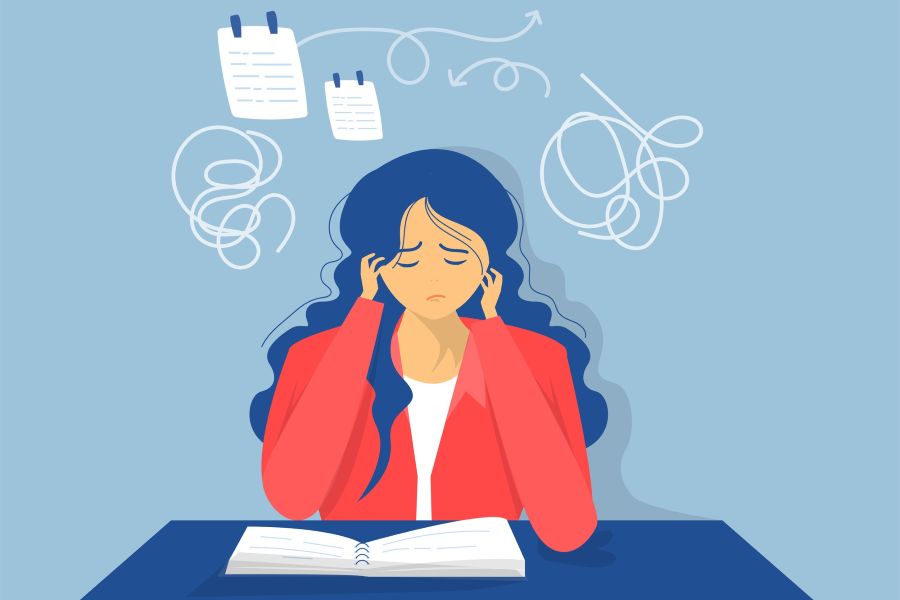
Overwhelming distractions, difficulty staying organized, an unceasing restlessness — attention deficit hyperactive disorder (ADHD) isn’t just common. It’s the most common childhood disorder. Once thought to only be a childhood condition, it actually affects adults too — over 15 million in the U.S. alone. Symptoms, including difficulty with daily tasks and social relationships, can affect adults’ professional and personal lives in big ways.
In Northside’s Wellness Wednesdays series, a collection of webinar presentations on timely health information, family medicine physician Dr. Saresh Akmal explained how the most common childhood disorder affects grownups too. Dr. Akmal explained that, when it comes to ADHD, there’s a lot adults need to be aware of.
What is ADHD?
ADHD is a neurodevelopmental disorder associated with inattention, disorganization and hyperactive impulse behaviors. It’s cause is unknown, though it’s believed to be influenced by a few factors.
- People with parents who have ADHD are more likely to be diagnosed.
- Being born prematurely, or at a low birth weight, can increase ADHD risk.
- Smoking, drug use and drinking alcohol while pregnant can increase a child’s risk as well.
How common is ADHD in adults?
ADHD may be the most common disorder in children, but it’s prevalent among adults too. According to the Centers for Disease Control and Prevention, roughly 6% of U.S. adults have been diagnosed with ADHD. According to a 2022 study, the prevalence of adult ADHD may be much higher — approximately 14.61%. It represents a near three-fold increase in prevalence since 2006, though experts are not sure if triple as many adults are being affected by ADHD today or if experts are simply becoming better at diagnosing the disorder. Data concerning ADHD in adults is still lacking.
About half of adults with ADHD were diagnosed at 18 years old or older, with 29% of childhood ADHD cases persisting into adulthood. Data concerning ADHD in adults is, however, still lacking.
Symptoms of adult ADHD
While ADHD diagnosed in childhood can continue into adulthood, the disorder may manifest differently for adults than children. Sleep problems are prevalent among adults with ADHD, affecting up to 70% of them. Hyperactivity and impulsivity symptoms more common during childhood may decrease over time, while inattentive symptoms often persist with age.
How ADHD can affect adult life:
- Difficulty paying attention
- Disorganization
- Procrastination
- Poor time management
- Frequently losing things
- Forgetfulness
- Talkativeness
- Interrupting others
- Trouble staying on task
- Difficulty sitting still
- Fidgeting
- Restlessnes
How to diagnose adult ADHD
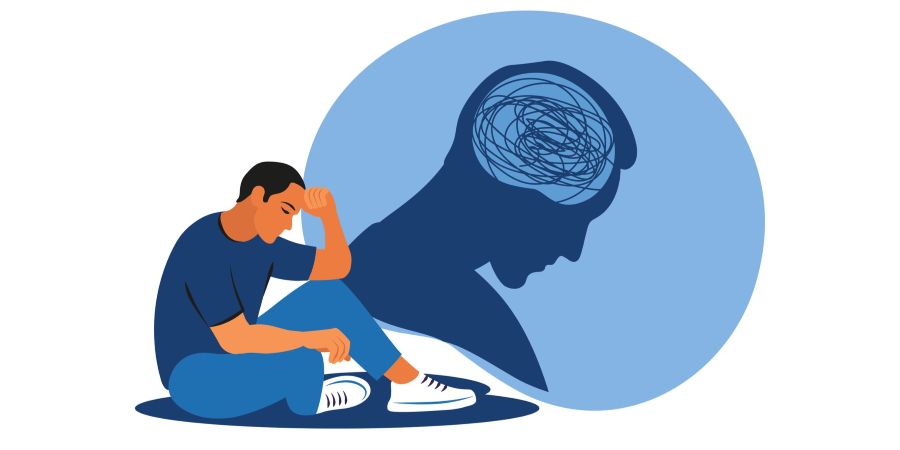
Do you think you have ADHD? You could, but there are many other possible explanations for your symptoms. Many other disorders have symptoms that overlap with ADHD.
To be diagnosed with ADHD as an adult, a patient must exhibit at least five symptoms of inattention, hyperactivity or impulsivity. The symptoms must negatively impact performance and be present in at least two major environments of daily life, like work and home.
To determine a diagnosis, your doctor may recommend you perform neuropsychological testing with a psychologist or refer you to a psychiatrist.
If you believe you may have ADHD, talk to your doctor, especially if you have difficulty getting through the day.
FIND A PRIMARY CARE PROVIDER AT NORTHSIDE.

