
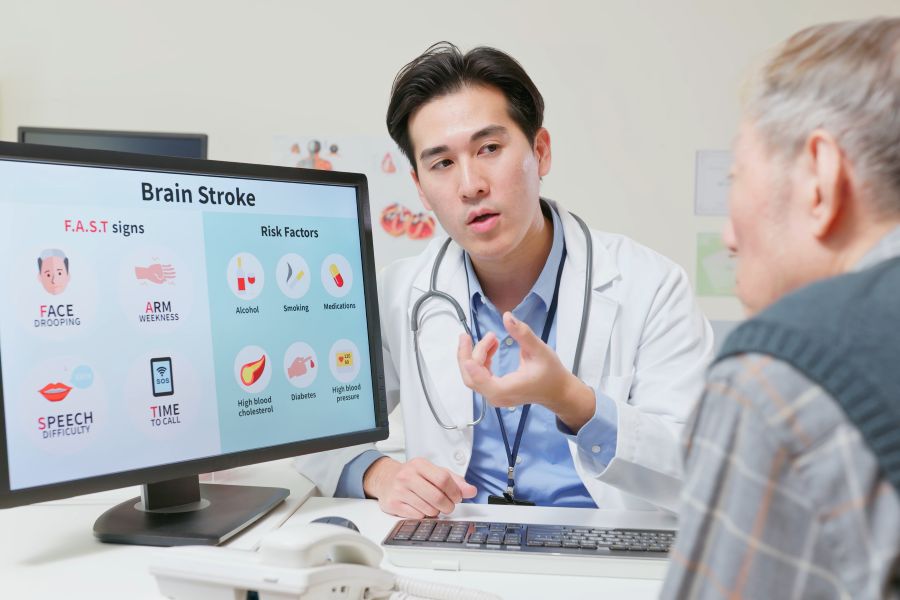
Every 40 seconds, someone in the United States experiences a stroke. While stroke remains one of the leading causes of disability and death, experts say many cases can be prevented through early intervention, healthy lifestyle choices and management of chronic conditions.
According to Dr. Anumeha Kumar Whisenhunt, a vascular surgeon at Northside Hospital Heart Institute, understanding stroke risk factors and recognizing symptoms promptly can significantly improve patient outcomes.
“Prevention is one of the most powerful tools we have in reducing the impact of stroke,” Dr. Whisenhunt said. “Managing conditions like high blood pressure, diabetes and high cholesterol can dramatically lower a person’s risk.”
Among the most important prevention strategies is controlling blood pressure, which experts identify as the single most critical step in reducing stroke risk. Additional recommendations include managing cholesterol, quitting smoking, staying physically active and maintaining a healthy diet rich in fruits, vegetables, lean proteins and whole grains.
For some patients, medications such as blood thinners or antiplatelet therapies may also help prevent dangerous blood clots from forming.
Patients who have already experienced a stroke or transient ischemic attack, commonly known as a TIA or “mini-stroke,” require especially close monitoring and prevention efforts to reduce the risk of another event.
Dr. Whisenhunt said recognizing stroke symptoms early and seeking emergency care immediately can save brain function and lives.
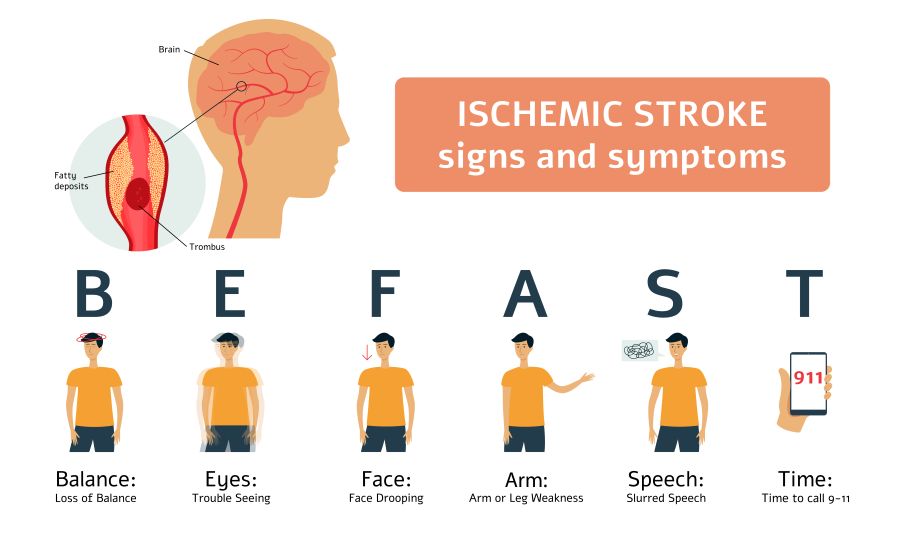
Healthcare providers commonly use the acronym FAST to help patients identify warning signs:
- Face drooping
- Arm weakness
- Speech difficulty
- Time to call 911
Additional symptoms may include sudden confusion, vision changes, dizziness, trouble walking or a severe headache.
“Time is critical during a stroke,” Dr. Whisenhunt said. “Even if symptoms improve or disappear, immediate medical evaluation is essential.”
Advances in stroke treatment have also transformed patient care in recent years. Modern interventions for ischemic stroke include minimally invasive mechanical thrombectomy procedures, where specialists remove clots through catheter-based techniques to restore blood flow to the brain.
For patients with severe narrowing of the carotid arteries, physicians may recommend carotid endarterectomy surgery or carotid artery stenting to improve circulation and reduce future stroke risk.
In hemorrhagic strokes caused by bleeding in the brain, treatment options may include surgical clipping, endovascular coiling and other advanced procedures designed to stop bleeding and relieve pressure on the brain.
Experts say the combination of prevention, early recognition and rapid treatment continues to improve outcomes for stroke patients.
“If you notice sudden neurological symptoms in yourself or someone else, do not wait,” Dr. Whisenhunt said. “Calling 911 immediately can make the difference between recovery and lifelong disability.”
LEARN MORE ABOUT NORTHSIDE HOSPITAL HEART INSTITUTE.

