
An Atlanta physician is helping ensure the historic debut is only the beginning.
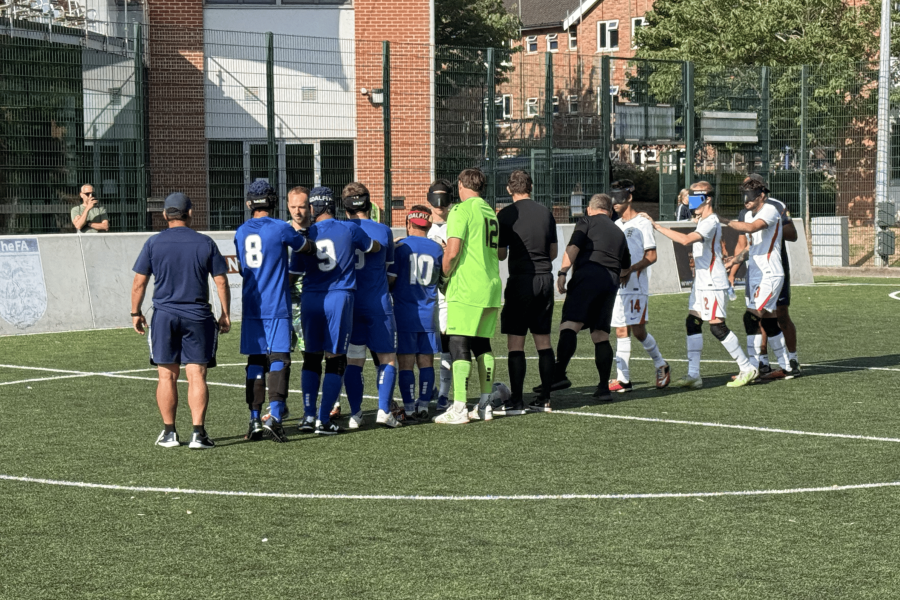
The ball rattles as it rolls across the field. To blind soccer striker Alvaro Mora, it's the sound of possibility. For Dr. Clay Guynn, it's the sound of progress.
Mora, who lost his vision to cancer as a child, is helping Team USA achieve something it has never done before: compete in blind soccer on the Paralympic stage. Guynn, a Northside Hospital sports medicine physician and the team's doctor, sees that milestone as part of a much larger mission to expand adaptive sports opportunities for people with disabilities.
“It's been my passion since I was little,” Mora said. “I grew up in Mexico, where [soccer] is like a religion. And I remember playing with my friends and my family members — my cousins, brothers and my father. It's a blessing to be able to play the sport I love and also represent my country.”
Blind soccer has been part of the Paralympic Games since 2004, yet the United States has never fielded a team. That will finally change in Los Angeles, where Mora and his teammates are preparing for a historic American debut.
The reasons America arrived late to blind soccer reveal a larger story about disability access in sports, something Guynn has spent much of his career working to improve. According to the Atlanta doctor, one of the biggest barriers is awareness.
"I'm certain there are blind kids somewhere in Gwinnett County that don't know this is a thing," Guynn said. "And we're trying to get it to them."
Why it took so long
In many countries, blind soccer begins long before athletes reach the international level. Children join community clubs. Coaches teach the sport through established youth programs. National organizations create pathways that help athletes develop over years, sometimes decades.
The United States largely lacked that infrastructure.
Researchers and adaptive sports advocates have identified many of the same barriers for years: limited access to programs, transportation challenges, insufficient awareness and too few opportunities for people with disabilities to discover sports in their communities.
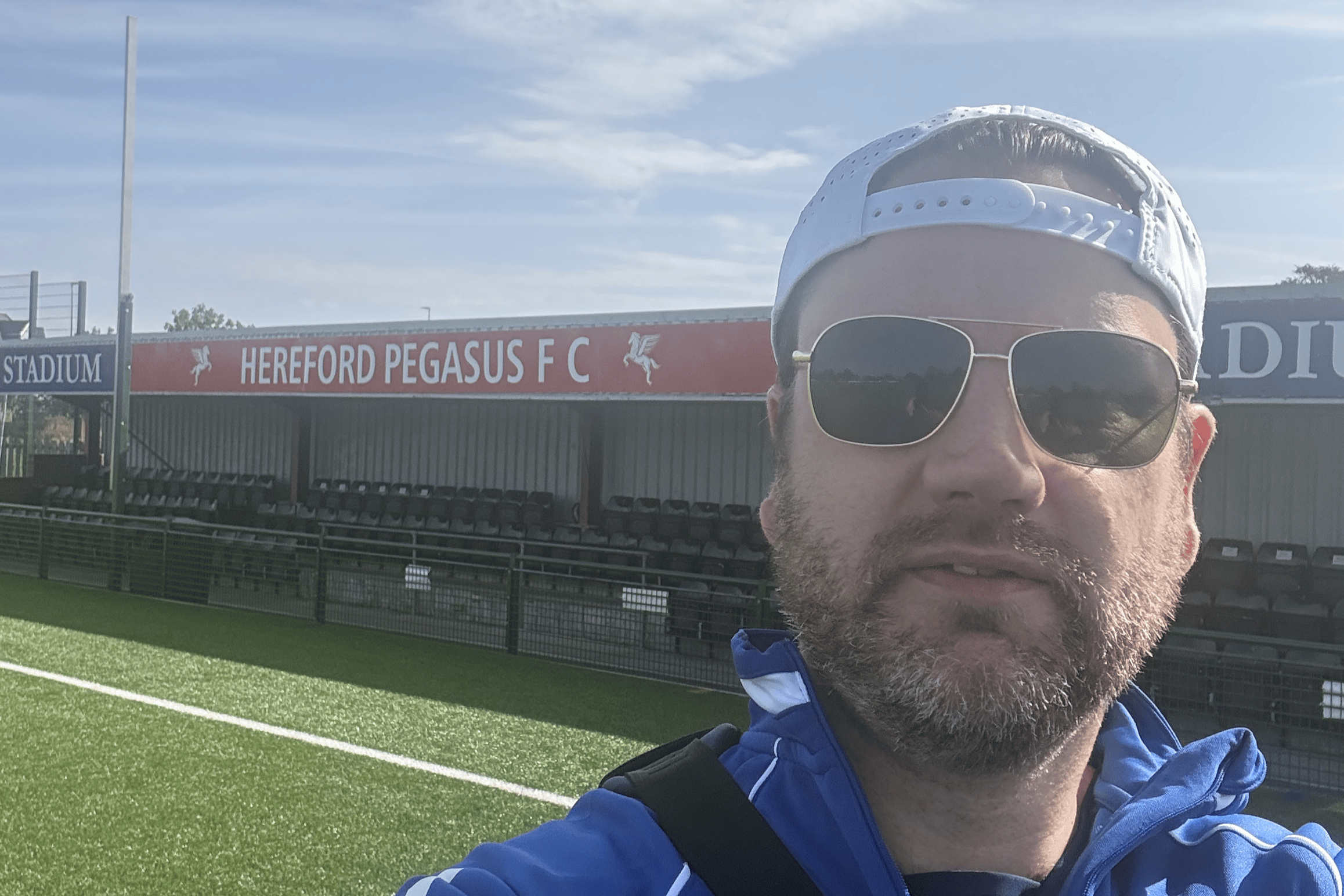
For Guynn, the absence of blind soccer was never a question of interest. The athletes were always there. The opportunities were not.
That reality became impossible to ignore during international competitions, where Guynn saw firsthand how countries such as England, Japan and Poland have invested in blind soccer for decades. Youth leagues, coaching pipelines and community programs help introduce athletes to the sport early, creating a foundation the United States is only now beginning to build.
America's upcoming Paralympic debut is a significant milestone. But Guynn believes the larger challenge is ensuring more athletes can discover the sport long before they reach the national team level.
More than a game
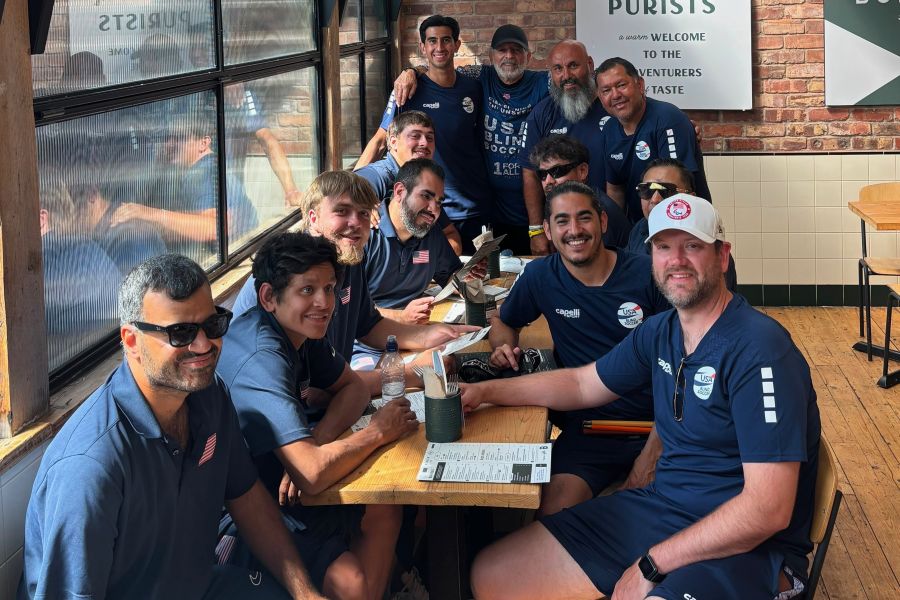
Mora understands what those opportunities can mean. After losing his vision at age 3, he discovered blind soccer and found much more than competition.
He found confidence. He found community. He found a place where blindness did not define what he could achieve.
"I never felt afraid when I was chasing the ball," Alvaro said.
Today, Mora is helping the United States prepare for a moment that once seemed out of reach. The national team officially launched in 2022, creating a pathway for American blind soccer players to represent their country for the first time.
The journey has not been easy.
Many players balance training camps, international travel and competition with full-time jobs and family responsibilities.
"I also need to pay my bills," Alvaro said. "... but we don't have all that financial support."
Despite those challenges, the team continues to close the gap on countries where blind soccer has long been part of the sporting landscape.
Building something bigger than a team
For Guynn, the significance of Team USA's debut stretches far beyond a single tournament.
The physician, who specializes in sports medicine and rehabilitation, has spent years seeing how adaptive sports can improve both physical and emotional well-being.
Research supports that experience. Studies have linked adaptive sports participation to improved health, stronger social connections, increased confidence and better overall quality of life for people with disabilities.
That's why Guynn hopes the team's debut will be remembered not for where it ends, but for what it begins.
He wants more children with visual impairments to discover sports, more families to find community and more athletes to realize opportunities exist for them.
And he believes Atlanta can help lead that effort.
"We're trying to make Atlanta the next hub for U.S. blind soccer," Guynn said.
The goal is not simply to field a team every four years. The goal is to create opportunities that last for generations.
The sound of possibility
In 2028, Team USA will take the field for its first Paralympic blind soccer match, ending a decades-long absence from one of the world's most established adaptive sports. The team's growing profile is already extending beyond the field.
Mora and his teammates are now at the center of Shot in the Dark, a documentary in production that follows the first U.S. blind soccer team from its formation through its pursuit of Paralympic competition. The project includes Artists Equity, the studio co-founded by Hollywood stars Ben Affleck and Matt Damon, among its production companies.
For years, blind soccer struggled for visibility in the United States. Now, more people are beginning to discover a sport that has changed lives around the world for decades.
"Ability is part of disability," Guynn said. "These blind athletes, and other [adaptive sport athletes] I've worked with... it really opens your eyes to how amazing the human body is — how good people can be."
For Mora, the Los Angeles Games will be the culmination of a journey that began with a child learning to trust the sound of a ball he could not see. For Guynn, it will be evidence that access can change lives.
And for the next generation of athletes, it may mean something even more important.
The rattling ball rolling across the field will no longer be the sound of a sport America missed.
It will be the sound of possibility becoming progress.
LEARN MORE ABOUT NORTHSIDE HOSPITAL ORTHOPEDICS.

