



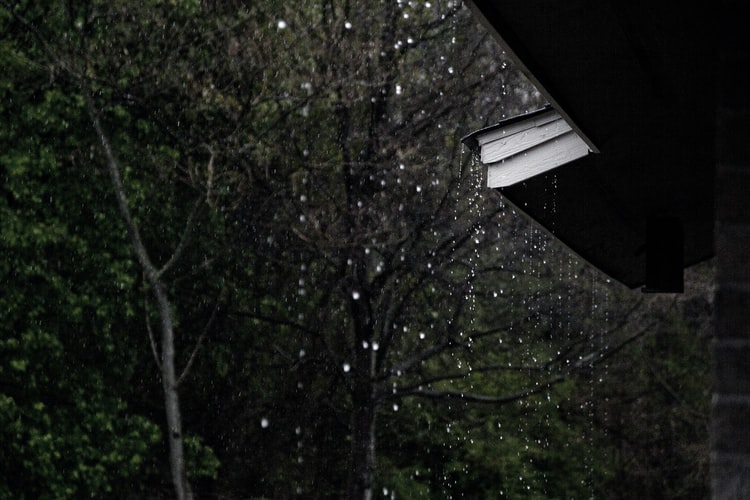
Many people believe that rain can reduce allergy symptoms by settling pollen from the air. However, this is often not the case; many people experience worse allergy symptoms after it has rained. Below we explore why this is and strategies for reducing allergy symptoms.
Why Does Rain Worsen Allergies?
While rain can help wash pollen from the air, it also breaks up pieces of pollen that are on the ground, causing them to rupture. These ruptured fragments can then remain in the air and be inhaled in through the nose and affect the lungs, triggering allergy symptoms after the rain has passed.
Many people experience an increase in symptoms for up to 12 hours after a good rainfall, though this can vary based on the wind situation. Some can experience increased symptoms for days or weeks after it has rained if they don’t seek proper care.
Indirectly, rain also worsens allergy symptoms—such as congestion—because it nourishes the plants that create pollen, leading to more growth, especially when the weather is warm.
In addition, summer rainstorms can exacerbate asthma symptoms. Known as “thunderstorm asthma,” this occurs when the combination of air flow, humidity and electricity stir up pollen and trigger people with allergic asthma.
How to Reduce Allergy Symptoms
The best way to reduce your allergy symptoms is to limit your exposure to allergens. We recommend:
- Tracking pollen counts. This information is available on the National Allergy Bureau’s website and your local weather channel. On days when pollen counts are high, stay indoors with the windows closed.
- Run your air conditioning. This will help filter allergens from the air in your home.
- Install a high–efficiency particulate air (HEPA) filter. If you don’t have air conditioning, this is a great alternative.
- Wear a mask. While COVID-19 guidelines are easing up and masks are no longer mandated in most areas, wearing one can reduce your exposure to airborne allergens.
- Wear sunglasses. In a similar vein, wearing sunglasses outdoors offers protection from allergens that affect the eyes.
- Stay indoors when it’s raining. This way you won’t be exposed to pollen fragments in the air.
If you’re ready to enjoy the great outdoors, like hiking at the Northside Trail, without experiencing allergy symptoms, call the experts at ENT of Georgia today.