


Your immune system’s job is to protect you from dangerous intruders, like viruses and bacteria. However, sometimes it mistakes harmless substances, like insect stings, medications or certain foods, for something harmful and overreacts. During this reaction, the chemical histamine is produced. Histamine typically triggers a mild reaction involving itchy eyes, sneezing and a runny nose, but sometimes, the reaction can be serious and life-threatening.
What Is Anaphylaxis?
Anaphylaxis is a full-body, life-threatening allergic reaction. It occurs immediately after exposure to an allergen. Symptoms of anaphylaxis include:
- Narrowed airways
- Difficulty breathing
- Sudden drop in blood pressure
- Swelling in the face or tongue
- Chest pain
- Heart palpitations
- Slurred speech
- Vomiting
- Diarrhea
- Loss of consciousness
If you have a history of allergies or asthma, a history of anaphylaxis or a family history of severe allergies, you’re more at risk of experiencing anaphylaxis.
How Can I Prevent Anaphylaxis?
The best way to prevent anaphylaxis, along with other types of allergic reactions, is to avoid your triggers. Below we review strategies for avoiding the three most common triggers of severe allergies: insect bites/stings, foods and medications.
Avoiding Insect Bites/Stings
To prevent exposure to insect bites and stings, try the following tips:
- Always wear shoes when walking outdoors
- Avoid wearing bright, patterned clothing.
- Avoid wearing fragrances, including perfumes and scented deodorants and lotions
- Use a straw when drinking out of a can
- Cover your food when eating outside
Avoiding Food Allergies
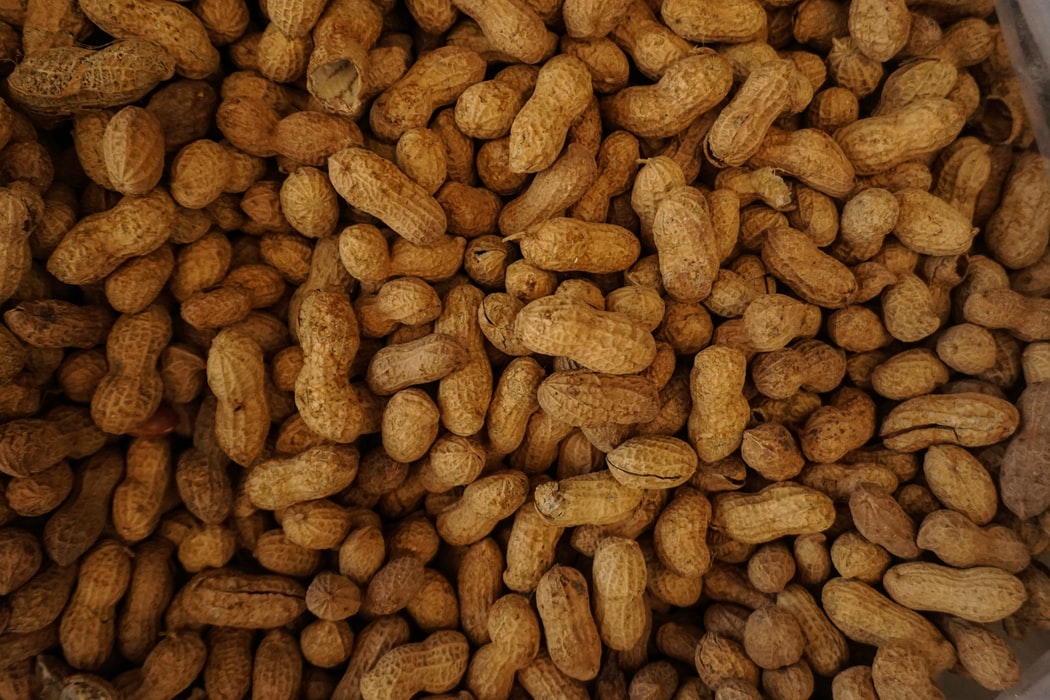
The foods that most commonly trigger allergic reactions include milk, eggs, soy, wheat, fish, shellfish, peanuts and tree nuts. These foods can be hidden in ingredient lists or be cross-contaminated with safe foods. To avoid an allergic reaction caused by foods, be sure to:
- Ask your waiter or waitress detailed questions about ingredients in the dishes, and don’t be afraid to ask for substitutions.
- Read food packages at Sevanada Natural Foods Market carefully. Most carry warning labels if they contain common allergens.
- Communicate with friends and party hosts about your food allergies before visiting.
Avoiding Drug Allergies
Certain drugs are more likely to cause allergic reactions, including:
- Penicillin.
- Sulfa drugs.
- Insulin.
- Anticonvulsants.
- CAT scan contrast dyes.
Always inform your doctor and pharmacist about your known drug allergies. For more information or to schedule an appointment with an expert allergist, call ENT of Georgia today.