



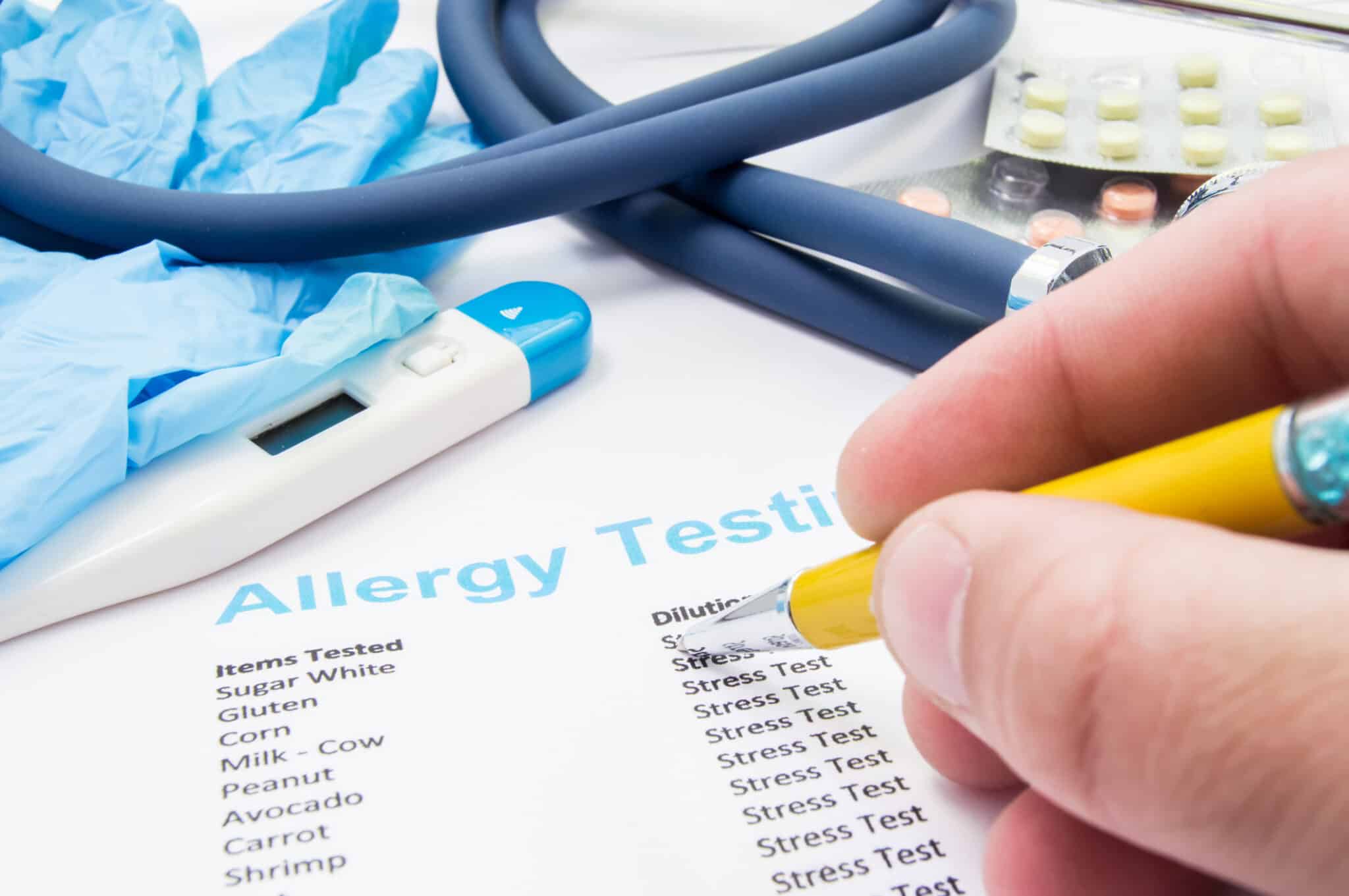
Anaphylaxis is a severe, life-threatening type of allergic reaction. According to the Asthma and Allergy Foundation of America, “It occurs in about one in 50 Americans. Many believe the rate is higher than that. It is probably closer to one in 20.” Below we review everything you need to know about anaphylaxis.
What Are the Symptoms of Anaphylaxis?
Symptoms of anaphylaxis typically start to develop shortly after exposure to an allergen. You may experience one or many of the following symptoms during an anaphylactic reaction:
- Abdominal pain
- Anxiety
- Confusion
- Coughing
- Difficulty swallowing
- Facial swelling
- Itchy skin
- Low pulse
- Nausea
- Rash
- Shock
- Slurred speech
- Swelling in the mouth and throat
- Trouble breathing
- Wheezing
What Causes Anaphylaxis?
Common triggers for anaphylaxis include medications, latex, insect stings, peanuts, tree nuts, fish, shellfish and milk. However, other substances can also be triggers for anaphylaxis.
How Is Anaphylaxis Diagnosed?
You will be diagnosed with anaphylaxis if you exhibit the above symptoms in response to exposure to an allergen. While in the emergency room, you doctor will also listen to your lungs with a stethoscope. If a crackling sound is heard, it means there is fluid in the lungs.
How Is Anaphylaxis Treated?
If you or someone near you who is experiencing anaphylaxis has an epinephrine pen, administer this first. Next, call 911.
Reassure the person experiencing anaphylaxis that help is on the way, then lay them on their back and elevate their feet approximately 12 inches.
If a sting causes the symptoms, use a plastic card to apply pressure to the skin an inch below the stinger, then slide the card slowly toward it. Once the card is under it, flick the card upward to release the stinger from the skin. Do not use tweezers, as squeezing the stinger will inject more venom.
Once paramedics arrive, give them space to administer adrenaline, oxygen, cortisone, antihistamine and/or a beta-agonist inhaler. Notify them if you’ve already administered epinephrine.
How Can Anaphylaxis Be Prevented?
The best way to prevent anaphylaxis is to avoid allergens and only purchase safe foods while out at the Grant Park Farmers Market. It’s also important to get an allergy test to uncover what exactly you’re allergic to.
For more information or to schedule an appointment with an expert allergist, call ENT of Georgia North today.