



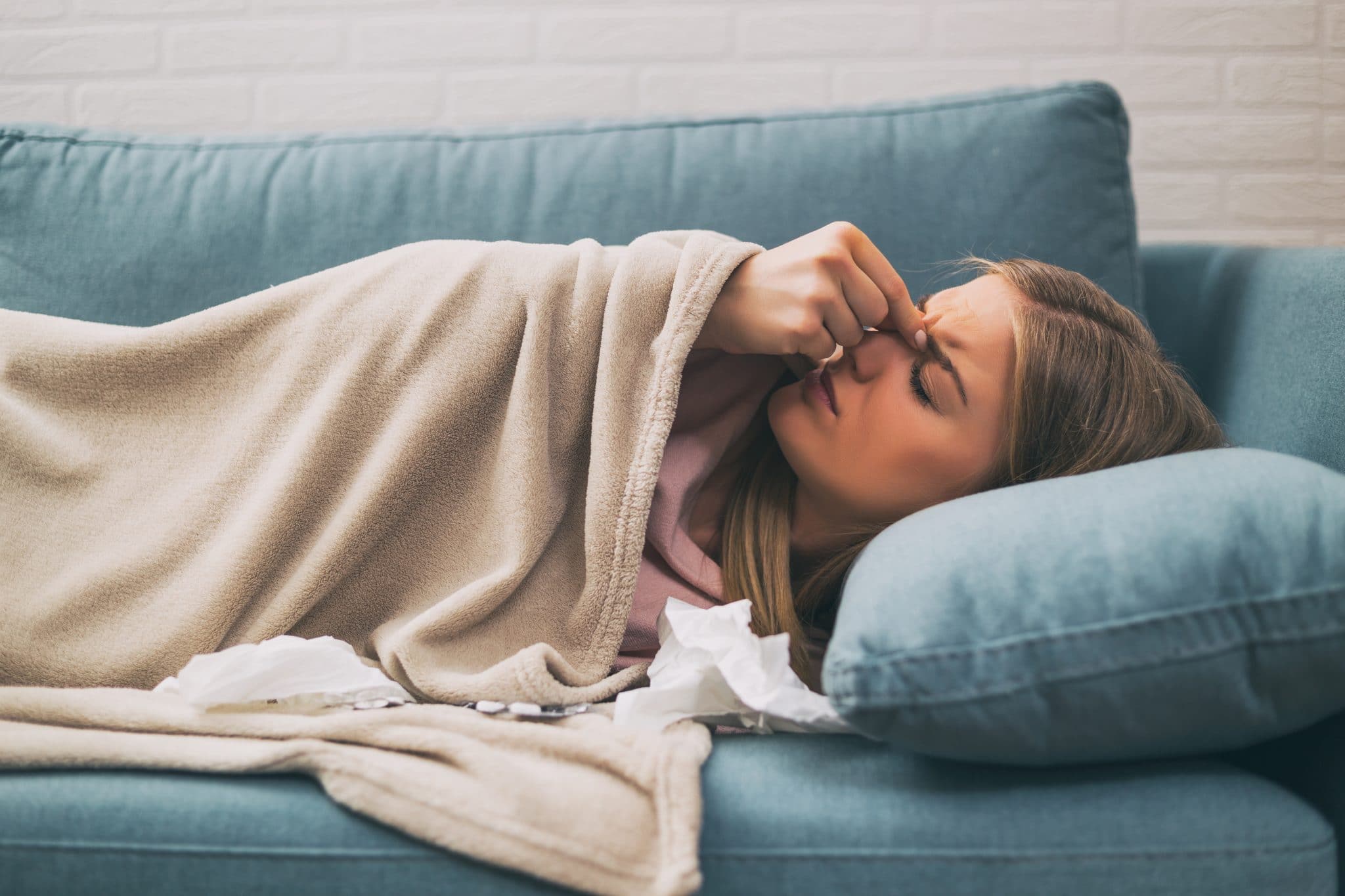
Allergies are not a result of stress; they occur due to the immune system overreacting to normally harmless substances called allergens. However, research shows that stress can worsen allergy symptoms. The study was published in the Annals of Allergy, Asthma & Immunotherapy in 2014.
About the Study
This study is the first to establish a link between stress and allergy symptoms. At the onset, researchers sought to uncover whether allergy patients’ flares correlated with emotional stress, depression and mood changes.
The study involved 179 university employees who completed questionnaires about perceived stress and depressive symptoms and kept daily diary entries about their allergy flares, stressful events, perceived stress and mood.
Throughout both the two-week study periods, 39 participants reported experiencing allergy symptoms. Results showed that this group had higher perceived stress scores than those who didn’t experience allergy symptoms. Stressful events correlated positively with their allergy flares. There was also a positive correlation between negative mood scores and allergy flares.
These results suggest that people who experience persistent stress have more frequent allergy flares, leading to a more negative mood.
Strategies for Reducing Stress
Lowering stress levels may help reduce allergy symptoms. To reduce stress, the experts at ENT of Georgia recommend:
- Exercising regularly at The Forum Athletic Club
- Practicing yoga, mindfulness and meditation
- Talking about your problems with a therapist
- Asking for help when you need it
- Taking breaks as needed
- Managing a reasonable work load
Other Strategies for Preventing Allergy Symptoms
Though research shows managing stress can help reduce allergy flares, it won’t eliminate them. In order to prevent allergy symptoms, be sure to:
- Check pollen counts using the National Allergy Bureau’s website or your local weather channel
- Stay indoors with the windows closed when pollen counts are high.
- Delegate yardwork to someone without allergies, or hire a professional
- Shower and change clothes right away after spending time outdoors
- Run your air conditioning or install a portable high-efficiency particulate air (HEPA) filter in your home
- Wash bedding in hot water regularly
- Take a daily antihistamine
- Talk to your doctor about immunotherapy
For more information or to schedule an appointment with an allergy expert, call ENT of Georgia today.