



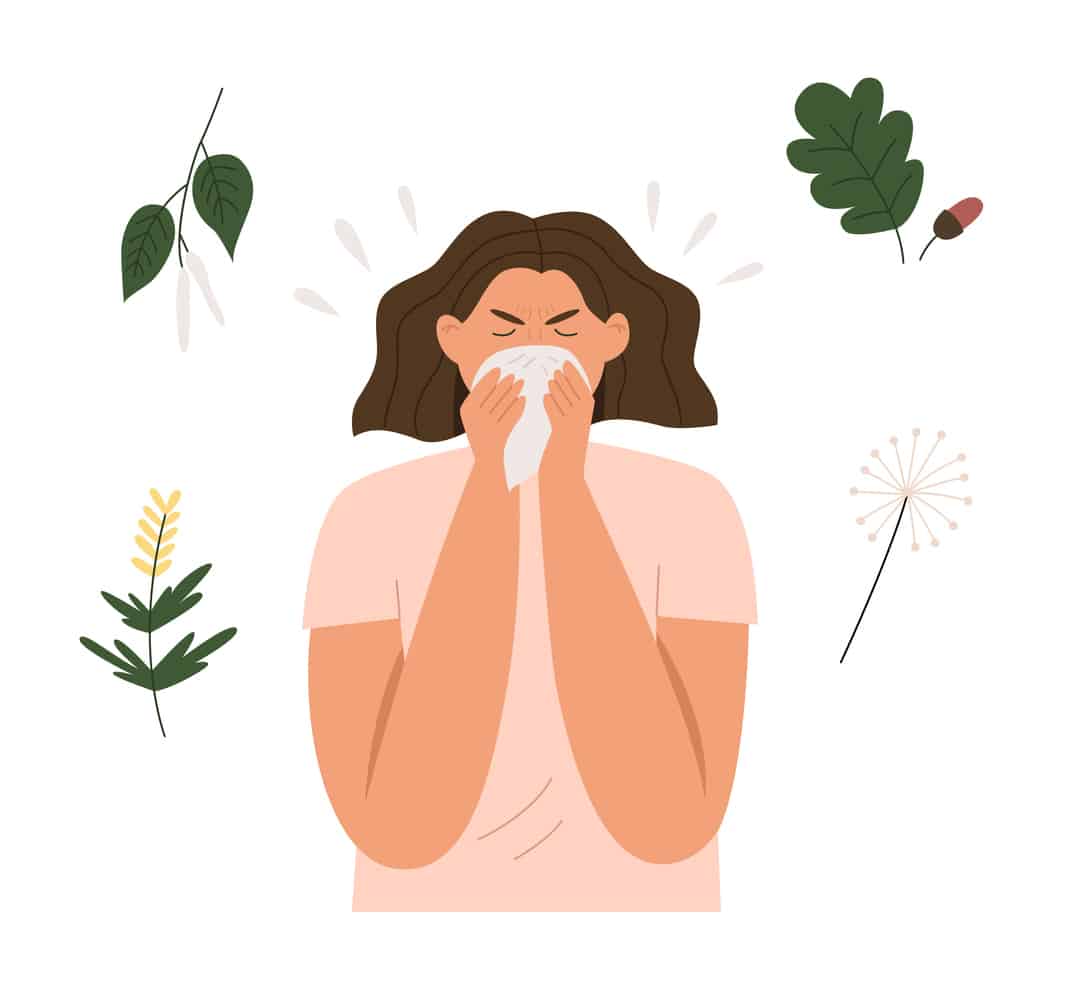
According to the Centers for Disease Control and Prevention (CDC), the percentage of adults in the U.S. with seasonal allergies is 25.7%. But when exactly is allergy season? The answer to this is: it depends on what you’re allergic to. Below we go over the different seasons and what allergens they bring.
Spring
Spring is arguably the time of year the most people experience seasonal allergies. Trees are the biggest culprits behind spring allergies, particularly:
- Oak
- Birch
- Cedar
- Alder
- Horse chestnut
- Willow
- Poplar
A milder winter can lead to an early thaw and a longer spring allergy season. In addition, tree pollen counts can jump up after a rainfall.
Summer
During the summertime, grass pollen is the main driver behind this season’s allergies. If you have summer allergies, we recommend avoiding grass as much as possible and delegating mowing the lawn to someone else.
In addition, the hot and humid weather can contribute to the growth of mold, another allergen. Mold is a fungus that lives nearly anywhere, both indoors and outdoors. It particularly thrives in environments like bathrooms, kitchens, basements, compost piles and rotting logs.
Fall
Ragweed begins to grow at the end of summer and continues through the fall, and it is a major allergen for many people. It can be found at Murphy Candler Park in North Brookhaven.
There are other plants that can contribute to fall allergies too, such as:
- Burning bush
- Cocklebur
- Lamb’s quarter
- Pigweed
- Sagebrush
- Mugwort
- Tumbleweed
- Russian thistle
Winter
Although not usually associated with allergies, winter can be a time when people suffer from more severe allergies. The difference is these allergens are found indoors. They include:
- Dust mites
- Pet dander
- Cockroaches
Finding Relief from Seasonal Allergies
The first line of defense against seasonal allergies is to practice avoidance of known allergens. You can do this by:
- Staying indoors with the windows closed when pollen counts are high.
- Showering and changing clothes after spending time outdoors.
- Delegating outside chores to someone else, or hiring a professional.
- Bathing indoor/outdoor pets regularly, but not more than once a week.
- Dusting and vacuuming weekly.
- Washing your bedding in hot water once a week.
- Throwing out old food promptly.
- Checking for leaks and fixing them right away.
If this doesn’t work, you can also take allergy medications, like over-the-counter oral antihistamines or corticosteroids.
Alternatively, you can talk to an allergist at ENT of Georgia North about immunotherapy, a long-term allergy solution.
For more information or to schedule an appointment, call ENT of Georgia North today.