For many couples, growing their family happens naturally. But for others, the path to pregnancy can be more complicated. Infertility affects millions of people and can be an emotional and frustrating experience. Fortunately, many causes are treatable and help is available.
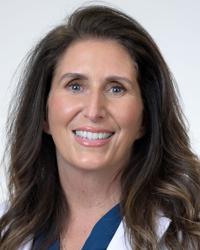
According to Christy Collins, FNP-C, a family nurse practitioner with North Georgia OB/GYN Specialists, infertility is defined as the inability to achieve pregnancy after 12 months of regular, unprotected intercourse.
"Infertility can be a very frustrating and difficult time for patients who are searching for answers," Collins said. "Our goal is to help identify the cause and guide patients toward the treatment options that are right for them."
Pregnancy is a complex process
Although conception may seem straightforward, several steps must occur for a healthy pregnancy to develop. A woman must ovulate, intercourse must occur during the fertile window, sperm must successfully travel to the fallopian tube, fertilization must take place and the resulting embryo must implant in the uterus.
"There's a long journey that has to happen for pregnancy to occur," Collins said.
Infertility affects people of all backgrounds and ages. According to the World Health Organization, approximately one in six couples experience infertility, and one in eight women of reproductive age will seek medical care for fertility concerns.
Causes of infertility
Infertility is often thought of as a women's health issue, but both partners can contribute.
Female factors account for about one-third of infertility cases and may include:
- Ovulation disorders
- Hormonal imbalances
- Problems involving the uterus or fallopian tubes
- Endometriosis
- Age-related hormonal changes
Male factors are responsible for another one-third of cases and can include:
- Low sperm count or poor sperm quality
- Hormonal abnormalities
- Structural or anatomical issues
- Genetic conditions
- Certain medications or lifestyle factors
In the remaining cases, no clear cause is identified. Sometimes multiple factors affecting both partners are involved.
"Just because we don't have a clear answer doesn't mean patients don't have options," Collins said. "If needed, we can refer patients to fertility specialists who can provide additional evaluation and treatment."
When to seek medical advice
Collins recommends scheduling an evaluation after one year of trying to conceive without success. During the visit, providers review medical history, discuss menstrual cycles, perform an examination and may order laboratory tests and imaging studies.
Because male factors are common contributors, a semen analysis is also recommended. Many testing options are available, including some that can be completed at home.
"Not everyone needs every test," Collins said. "Evaluation is individualized based on each patient's situation."
Lifestyle factors matter
In many cases, simple changes can improve the chances of pregnancy. Providers often discuss overall health, medications and lifestyle habits as part of the infertility workup.
One of the most valuable tools patients can use is cycle tracking.
"We love when patients track their periods with an app," Collins said. "It helps us understand cycle length, frequency and when ovulation may be occurring."
Ovulation predictor kits, available at most pharmacies, can also help patients identify their fertile window. Recording those results in a tracking app provides valuable information during office visits.
"Sometimes achieving pregnancy comes down to timing," Collins said. "Many people don't need advanced testing or procedures. It may be something simple that we can address."
Finding answers
With 16 years of experience caring for women with gynecologic conditions, Collins emphasizes that infertility is common and that patients do not have to navigate the journey alone.
"Many of the factors that contribute to infertility are very common and very treatable," she said. "We're here to help patients find answers and support them every step of the way."
LEARN MORE ABOUT WOMEN'S SERVICES AT NORTHSIDE.