July is Fibroid Awareness Month, a time to raise awareness about one of the most common gynecologic conditions affecting women. Although uterine fibroids are common, many women are unaware of the symptoms, risk factors, and treatment options available. Dr. Aaron Doctor, an obstetrician and gynecologist with Northside Women's Specialists, shares what every woman should know about uterine fibroids, when to seek medical care, and the treatment options that can help improve quality of life.
Uterine fibroids are one of the most common conditions affecting women—and one of the most misunderstood. The good news is that fibroids are almost always noncancerous (benign), and many women never need treatment. However, for some women, fibroids can cause heavy bleeding, pelvic pain, pressure, or fertility concerns that affect everyday life.
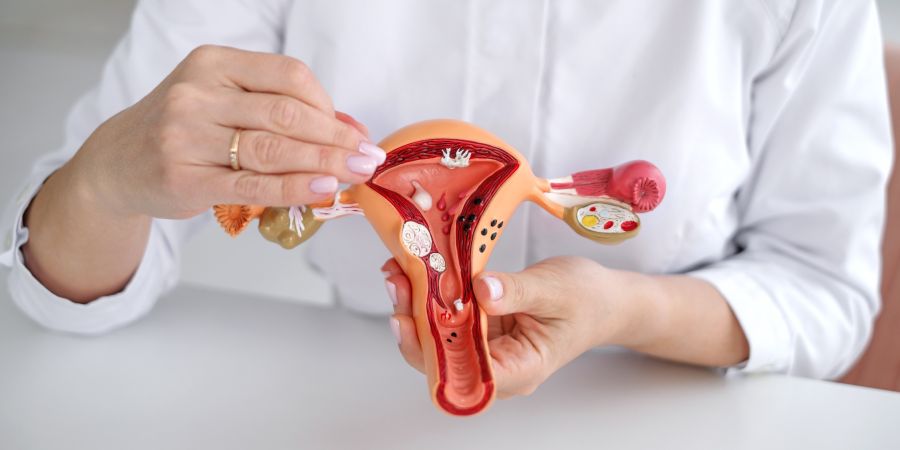
Understanding your symptoms and knowing your treatment options can help you make informed decisions about your health.
Who is at risk for fibroids?
Fibroids can affect any woman, but they are most common during the reproductive years, especially between ages 30 and 50. Your risk may be higher if you have a family history of fibroids, are overweight, have high blood pressure, or eat a diet high in red meat and low in fruits and vegetables.
Black women are more likely to develop fibroids, often at younger ages, and tend to have larger or more numerous fibroids with more severe symptoms. Unfortunately, many women assume that heavy periods or pelvic pain are simply “part of being a woman” and delay seeking care.
If your menstrual cycle is interfering with your work, family life, or daily activities, it’s worth talking with your doctor. You don’t have to live with those symptoms.
What symptoms can fibroids cause?
Many women with fibroids have no symptoms at all. When symptoms do occur, they may include:
- Heavy or prolonged menstrual bleeding
- Pelvic pressure or pain
- Frequent urination
- Constipation
- Lower back pain
- Pain during sex
- Difficulty becoming pregnant or recurrent miscarriage in some women, depending on the location of the fibroids
The type and severity of symptoms depend on the size, number, and location of the fibroids.
What are the treatment options?
Not all fibroids require treatment. If they are small and not causing symptoms, your doctor may simply monitor them over time.
When treatment is needed, the right option depends on your symptoms, the size and location of the fibroids, and whether you hope to have children in the future.
Treatment options may include:
- Medications to help control heavy bleeding, relieve symptoms, or temporarily shrink fibroids.
- Minimally invasive procedures, such as uterine artery embolization, radiofrequency ablation, or MRI-guided focused ultrasound, for women who are good candidates.
- Myomectomy, a surgery that removes fibroids while preserving the uterus for women who wish to maintain fertility.
- Hysterectomy, which removes the uterus and provides a permanent cure for fibroids for women who have completed childbearing.
Your doctor can help you choose the treatment that best fits your goals and lifestyle.
Can lifestyle changes help?
While lifestyle changes won’t make fibroids disappear, research suggests they may help support overall uterine health and reduce the risk of fibroid growth.
Healthy habits include:
- Maintaining a healthy weight
- Exercising regularly
- Eating a diet rich in fruits, vegetables, whole grains, and legumes
- Limiting red and processed meats
- Correcting vitamin D deficiency if recommended by your doctor
These changes work best alongside—not in place of—medical care.
The bottom line
Fibroids are common, treatable, and almost always non-cancerous. Whether your symptoms are mild or severe, you don’t have to simply live with heavy bleeding or pelvic pain. Understanding your options is the first step toward feeling better, and your doctor can help you choose the treatment that’s right for you.
LEARN MORE ABOUT WOMEN'S SERVICES AT NORTHSIDE.