
When a student, teacher, coach or visitor experiences sudden cardiac arrest at school, every minute matters.
Sudden cardiac arrest occurs when the heart suddenly stops pumping blood effectively. A person can become unresponsive within seconds, and without immediate intervention, the condition can quickly become fatal.
That's why access to an automated external defibrillator, or AED, is an important part of a school's emergency preparedness.
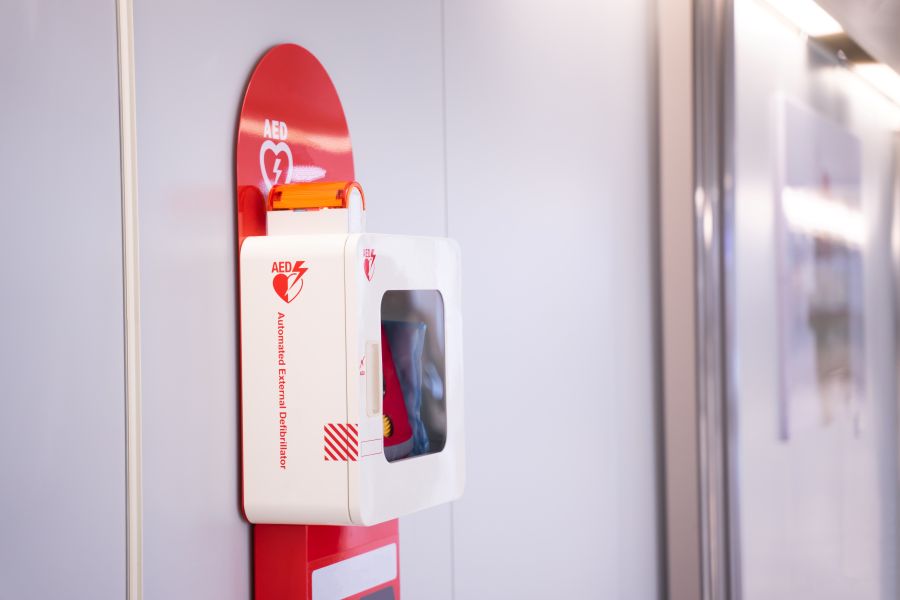
An AED is a portable device that analyzes the heart's rhythm and, when appropriate, delivers an electrical shock to help restore a normal rhythm. The devices are designed to provide step-by-step instructions, allowing a bystander to respond while emergency medical services are in route.
In cardiac arrest, minutes matter
A cardiac emergency can happen with little or no warning, including among children and teenagers who may have an undiagnosed heart condition.
According to the American Heart Association, more than 23,000 children experience cardiac arrest each year in the United States. Immediate CPR can double or even triple a person's chance of survival.
When someone collapses and is not breathing normally, quick action is critical. Calling 911, beginning CPR and using an AED as soon as possible can help keep blood circulating and potentially restore a normal heart rhythm until emergency responders arrive.
Georgia schools are strengthening cardiac preparedness
Georgia has taken steps to make cardiac emergency preparedness a greater priority in schools.
A state law that took effect July 1, 2025, established requirements for AED access and cardiac emergency response planning in public schools. The measures include staff training, emergency action plans and drills designed to help school personnel know what to do when a cardiac emergency occurs.
But having an AED available is only one piece of the response.
Schools should know where AEDs are located, ensure they are accessible and properly maintained, and ensure that staff members understand their roles during an emergency. A comprehensive response plan should address who calls 911, who begins CPR, who retrieves the AED and how emergency medical personnel will be directed to the person experiencing the emergency.
Regular CPR and AED training can help staff feel more confident taking action rather than losing valuable time figuring out what to do.
Preparedness extends beyond student-athletes
While cardiac safety often receives attention in connection with school sports, sudden cardiac arrest isn't limited to athletes.
A cardiac emergency can happen in a classroom, cafeteria, gym, auditorium or at a school event. And it can affect anyone on campus — including students, teachers, employees, parents and spectators.
That makes AED accessibility and emergency preparedness a schoolwide issue.
Schools also should consider whether AEDs can be reached quickly from different areas of campus, including athletic fields and other spaces that may be farther from the main building.
Creating a safer school community
An effective cardiac emergency plan doesn't begin when someone collapses. It begins well before an emergency happens.
Accessible and properly maintained AEDs, CPR training, clearly defined emergency procedures, and regular practice can help create a school community prepared to respond when seconds count.
Northside Hospital Heart Institute provides comprehensive cardiovascular care, including preventive and general cardiology, electrophysiology, interventional cardiology, cardiac surgery and advanced heart failure care. All five Northside hospitals are designated Emergency Cardiac Care Centers by the Georgia Department of Public Health.
No school expects to experience a cardiac emergency. But knowing what to do — and having the right lifesaving equipment within reach — can make all the difference.
LEARN MORE ABOUT NORTHSIDE HOSPITAL HEART INSTITUTE.

