Heart disease remains a leading cause of death worldwide, but many of its most serious risk factors can develop without noticeable symptoms.
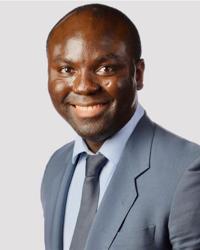
Dr. Alexis Okoh, a noninvasive cardiologist with Northside Hospital Heart Institute, encourages adults to begin paying attention to their cardiovascular health early.
“Every single individual from the age of 20 has to start paying attention to the heart,” Dr. Okoh said.
Understand your risk
Dr. Okoh groups patients into three categories.
The first includes people who have already experienced a heart attack, stroke or heart failure. Their care focuses on preventing another event.
The second includes people who have not had a cardiovascular event but have risk factors such as high blood pressure, diabetes, high cholesterol, excess weight or chronic stress.
The third includes people without obvious health conditions who may still face risks related to age, sex or family history.
“It’s a whole spectrum,” Dr. Okoh said. “We make sure people don’t develop the risk factors that could predispose them. For those at risk, we ensure they do not experience the event. For those who have had the event already, we make sure they don’t have the event again.”
Know your numbers
Blood pressure, cholesterol, blood sugar and weight provide important information about heart health.
Dr. Okoh recommends that adults know those numbers and review them with a primary care physician or cardiologist. Family history also matters, especially when close relatives have developed heart disease at a younger age.
“Knowing your numbers, aggressively modifying your risk factors and focusing on prevention are key,” he said.
Although age and genetics cannot be changed, many other risks can be managed through lifestyle changes, medication and regular medical care.
Those risks include high blood pressure, high cholesterol, diabetes, excess weight, poor sleep, inactivity, chronic stress and a diet high in salt, sugar and unhealthy fats.
Start with small changes
Protecting the heart does not always require an intense workout or restrictive diet.
Dr. Okoh recommends seven to nine hours of sleep each night and at least 150 minutes of moderate physical activity each week.
“Just brisk walking for 30 minutes every day is enough,” he said. “That alone is a stress reliever, and it helps your body.”
A heart-healthy diet should include vegetables, whole grains and lean protein while limiting salt, added sugar, refined carbohydrates and foods high in unhealthy fats.
Stress also plays a role. While it may not be possible to eliminate stress, exercise, adequate sleep, walking, meditation and yoga can help manage it.
How noninvasive cardiology works
Dr. Okoh compares the heart to a house.
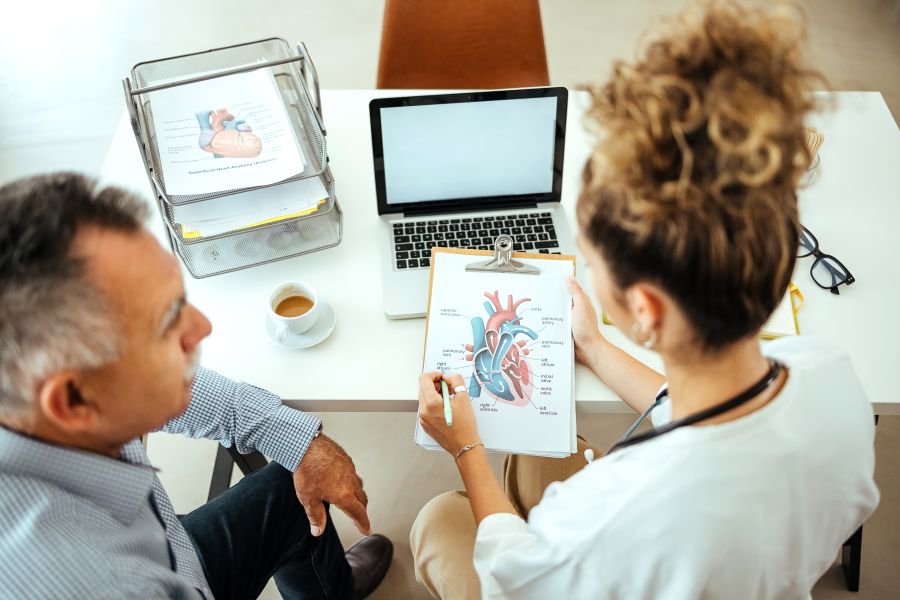
It has walls, valves that work like doors, an electrical system that controls rhythm and blood vessels that act like pipes. Noninvasive cardiologists use tests to evaluate each part without surgery.
An echocardiogram, or ultrasound of the heart, shows the heart’s structure, pumping function and valves. An electrocardiogram, also called an ECG or EKG, measures electrical activity.
Stress tests, CT scans and cardiac MRI exams can help assess blood flow and identify narrowing or blockages in the coronary arteries.
The appropriate test depends on a patient’s symptoms, medical history and overall risk.
“Based on what your numbers are, your family history and your symptoms, we determine which test we need to do next,” Dr. Okoh said.
Do not ignore changes in stamina
Heart disease symptoms are not always dramatic. Some people first notice they become tired or short of breath during activities that previously caused no difficulty.
Dr. Okoh encourages patients to compare how they feel now with how they felt several weeks or months ago.
A person who once walked several blocks comfortably but now becomes tired after a shorter distance may be experiencing an important change.
“It doesn’t necessarily mean you have a blockage, but it means it is time to seek expert help and look into it,” he said.
Warning signs may include chest pain or pressure, shortness of breath, unexplained fatigue, dizziness, fainting, an irregular heartbeat or reduced exercise tolerance.
Expanding access through technology
Portable, artificial intelligence-enabled tools are creating new opportunities to identify heart problems earlier and reach people who may have limited access to specialty care.
These tools can assist with ECGs, echocardiograms and stethoscope examinations in communities far from major medical centers.
Dr. Okoh said artificial intelligence is not intended to replace physicians. Instead, it can help extend their reach and connect patients with care sooner.
“We are moving from the system where the patient has to see us,” he said. “We want to go and see the patients with the help of artificial intelligence.”
The goal, he said, remains simple.
“As cardiologists, we do two things. We help you live longer, and we help you feel better.”
LEARN MORE ABOUT NORTHSIDE HOSPITAL HEART INSTITUTE.