
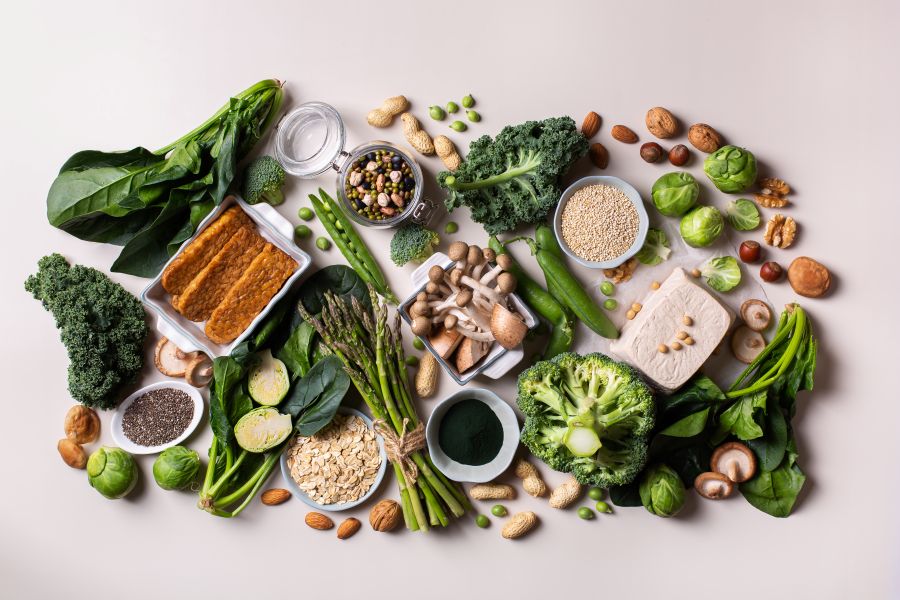
One of the nutrition trends gaining attention in 2026 is the idea of having 30 different plant-based foods each week.
While that may sound daunting, many people are already consuming more plant variety than they realize — and increasing variety in your diet can help support a healthier gut microbiome.
Understanding the 30-plant recommendation
The concept stems from a 2018 study published by the American Gut Project, a large microbiome research initiative. Researchers found that people who ate thirty different types of plant foods each week had a significantly more diverse gut microbiome than those who ate 10 or fewer.
Benefits of a healthy gut microbiome
The gut microbiome is the community of trillions of microorganisms — including bacteria, fungi and viruses — that live in the digestive tract. A more diverse gut microbiome has been associated with better immune function, improved digestion and nutrient absorption, a stronger gut lining, reduced inflammation and enhanced brain health and emotional resilience.
Research also suggests that the gut microbiome may play a role in reducing stress, which aids the body in combating harmful pathogens. Stress can negatively affect the microbiome, which may in turn impact emotional well-being and cognitive function. Supporting gut health through a varied diet may help promote overall wellness.
Simple ways to add more plants to your diet
The good news is that many people are already incorporating more plant variety into their diets than they think. Here is a list of the plant-based foods that qualify, along with examples in each category:
- Fruits: berries, bananas, citrus fruit, apples, pears, peaches and kiwi
- Vegetables: sweet potatoes, spinach, tomatoes, onions, lettuce, cabbage and carrots
- Nuts and seeds: almonds, walnuts, peanuts, chia seeds, flax seeds, peanut butter
- Beans and legumes: lentils, black beans, chickpeas, edamame and peas
- Grains: oats, brown rice, quinoa, barley and buckwheat
- Herbs and spices: parsley, basil, cilantro and turmeric (spices are only a quarter-point)
- Other plant-based foods: coffee, tea and dark chocolate containing 70% or more cocoa
Practical ways to increase your plant-based food intake include:
- Have a salad with mixed greens and a variety of vegetables.
- Garnish meals with fresh herbs, such as basil, cilantro or parsley.
- Liberally add spices such as cinnamon, ginger and turmeric to meals and snack.
- Add mixed nuts or seeds to salads, yogurt, soups or hot cereals.
- Replace processed snacks, like chips and cookies, with fruits and vegetables.
- Substitute nut butter, avocado or hummus for mayonnaise, butter or sugary spreads.
- Put fermented foods like kimchi, pickles or sauerkraut on sandwiches.
- Mix vegetables, such as spinach or shredded carrots, into homemade or prepared sauces.
- Use casseroles, curries, soups and stir fries as opportunities to incorporate more vegetables and legumes.
- Make smoothies with a variety of fruits and vegetables.
- Try some lentil, chickpea or pea pasta, or substitute zucchini noodles or spaghetti squash for traditional pasta.
Start small and build variety
The goal is not perfection, but variety. Even if you do not reach 30 plant-based foods every week, adding more diversity will help to make your gut microbiome thrive.
Keeping a food diary may help you track how many different plant-based foods you eat each week while encouraging you to try new fruits, vegetables, herbs and seasonings. You may be surprised by the difference in your overall health.
LEARN MORE ABOUT NORTHSIDE HOSPITAL NUTRITION SERVICES.
Resources:
- MyNutriWeb. “Eating to Improve Gut Health: Do We Need to Eat 30 Plant Foods per Week?” 2023. https://mynutriweb.com/eating-to-improve-gut-health-do-we-need-to-eat-30-plant-foods-per-week/.
- Emory Healthy Aging. “Could Eating 30 Plants a Week Be the Answer to Better Health?” October 2, 2025. https://healthyaging.emory.edu/could-eating-30-plants-a-week-be-the-answer-to-better-health/.

