
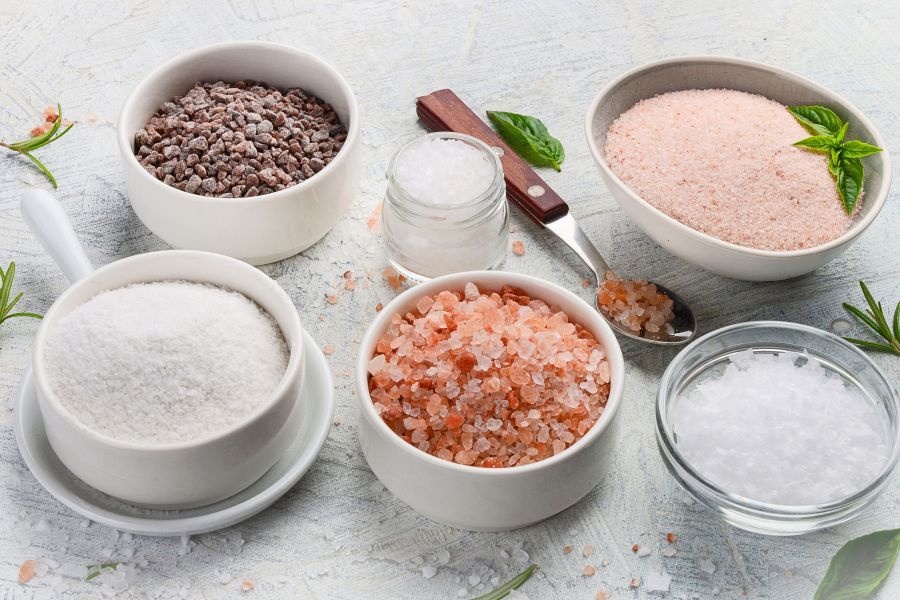
Sodium is an essential mineral and electrolyte that helps maintain the body's fluid balance, supports muscle contraction and allows nerves to function properly.
Most healthy adults should consume no more than 2,300 milligrams of sodium per day, equal to about one teaspoon of table salt. However, many adults regularly exceed this recommendation because restaurant meals, processed meats, condiments, cheeses, frozen meals and other packaged foods are often high in sodium.
Consuming too much sodium over time can increase the risk of high blood pressure and heart disease, so being mindful of your salt intake is important. But does the type of salt also matter?
Table salt (sodium chloride)
Most of the sodium consumed comes from sodium chloride, commonly known as table salt.
This type of salt is refined to remove moisture, creating fine grains that dissolve quickly and evenly, making it ideal for baking and cooking. It is also fortified with iodine, an important nutrient that supports healthy thyroid function. Iodized salt has helped prevent iodine deficiency, which has made conditions such as goiter — an enlargement of the thyroid gland — uncommon in the United States.
Unrefined salts
Unrefined salts, including sea salt, pink Himalayan salt and kosher salt, have become increasingly popular. Many people prefer their coarser texture and distinctive flavor compared with table salt.
Unlike table salt, these salts retain small amounts of naturally occurring minerals, including potassium, magnesium and calcium. While this may make them seem like a healthier choice, the amounts are so small that they do not provide meaningful nutritional benefits or significantly contribute to your daily mineral intake.
Does one type of salt have less sodium?
Both table salt and unrefined salts contain nearly the same amount of sodium by weight. Because coarse salts have larger crystals, a teaspoon of coarse sea salt or kosher salt may contain slightly less sodium than a teaspoon of fine table salt simply because fewer crystals fit into the measuring spoon.
However, this small difference is unlikely to have a meaningful impact on your overall sodium intake.
The bottom line
Whether you choose Himalayan salt, sea salt, kosher salt or table salt, the total amount of sodium you consume has a greater impact on your health than the type of salt you choose.
Some effective ways to reduce sodium is to:
- Read Nutrition Facts labels and compare sodium content.
- Prepare more meals at home using fresh ingredients.
- Limit processed and restaurant foods.
- Avoid adding extra salt to foods after they are cooked.
Focusing on your overall sodium intake is the most effective way to support heart health and help maintain healthy blood pressure.
LEARN MORE ABOUT NORTHSIDE HOSPITAL NUTRITION SERVICES.

