
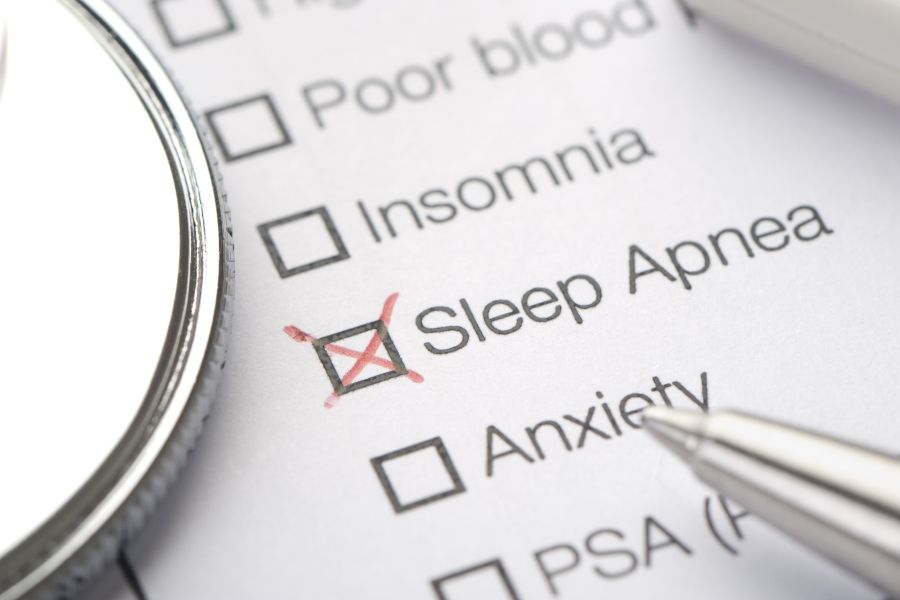
Feeling tired during the day, snoring loudly or waking up unrested may be signs of more than a poor night’s sleep. According to Dr. Angel Brown, pulmonologist with Cherokee Lung & Sleep Specialists, obstructive sleep apnea is a common condition that often goes undiagnosed, putting patients at risk for significant health problems. She shares what people should know about sleep apnea and why seeking evaluation can make a lasting difference.
What are the risks of living with undiagnosed obstructive sleep apnea?
Diagnosing obstructive sleep apnea (OSA) is crucial for protecting overall health and improving quality of life. OSA is a common but often underdiagnosed sleep disorder characterized by repeated episodes of partial or complete airway obstruction during sleep. These episodes lead to fragmented sleep and decreased oxygen levels, which can have serious health consequences if left untreated.
Early and accurate diagnosis of OSA allows for timely intervention, reducing the risk of complications such as high blood pressure, heart disease, stroke and Type 2 diabetes. Untreated OSA also increases the risk of accidents due to excessive daytime sleepiness and impaired concentration, affecting work performance and daily activities. Additionally, OSA can worsen mood disorders such as depression and anxiety, further diminishing quality of life.
Diagnosing OSA typically involves a combination of clinical evaluation and sleep studies, such as polysomnography or home sleep apnea testing. These tools help quantify the severity of the condition and guide appropriate treatment, which may include lifestyle modifications, use of continuous positive airway pressure (CPAP) devices or surgical interventions. Identifying OSA also provides an opportunity to address related risk factors, such as obesity, and to educate patients and families about the importance of sleep health.
Ultimately, diagnosing obstructive sleep apnea is a critical step in preventing long-term health problems, enhancing daily functioning and improving overall well-being. Increased awareness among health care providers and the public is essential to ensure more people receive the care they need for this potentially serious condition.
LEARN MORE ABOUT TREATMENT FOR SLEEP DISORDERS AT NORTHSIDE.

