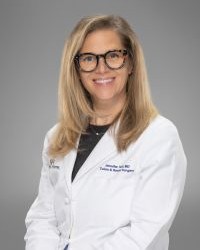
As a surgeon, I spend a great deal of my working life addressing preventable problems or at least diseases that are far more manageable if caught early with proactive screening.
Some of the most important moments in my practice occur outside of the operating room during conversations regarding nutrition, exercise and rehabilitation. I employ enhanced recovery strategies to take total health into account using bundles of small, approachable change to augment success.
These same strategies can be applied over time to ensure healthy aging. It’s about protecting and fortifying our bodies so that we may remain independent and vibrant well into our 60s, 70s and beyond. There is a growing body of research that points to a few simple, evidence-based habits that make an oversized difference on longevity.
Move more and build muscle
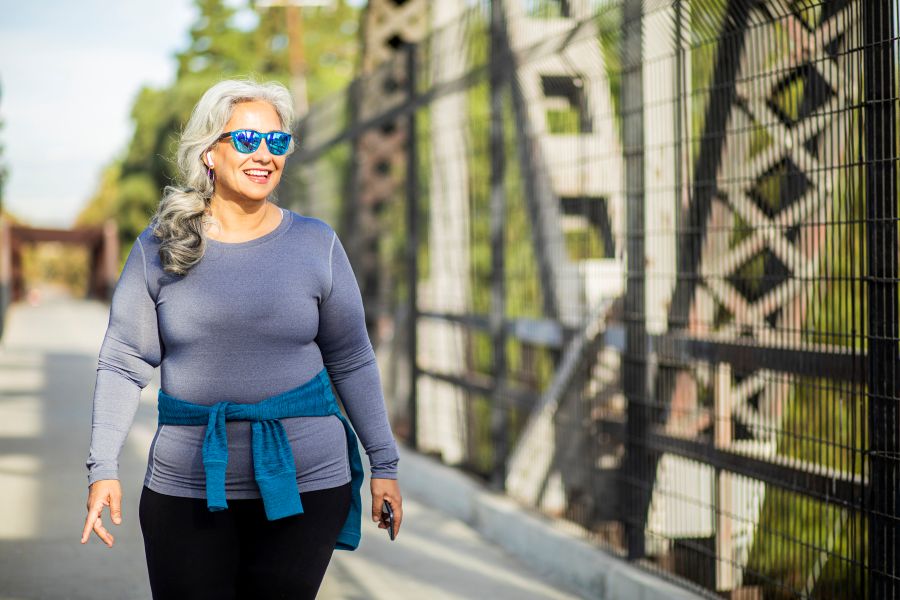
Exercise remains one of the most powerful tools we have for extending a healthy life. A study of adults 40 and older found that people who took 8,000 steps or more per day had a significantly lower risk of death from any cause compared to those who took only 4,000 steps — a striking difference for something as simple as walking.
But how much you move isn’t the only factor; what your body is made of matters too. Research on adults older than 55 found that muscle mass was a better predictor of longevity than body weight or BMI.
In other words, a scale can’t tell you what really counts. This is why I encourage patients not just to walk more, but to incorporate strength training — resistance bands, bodyweight exercises, or light weights — a few times a week. Preserving muscle protects against falls, frailty and the slow erosion of independence.
Eat like your heart is counting on it (it is)
A healthy diet is a mainstay to longevity, and there is substantial evidence supporting a mediterranean style diet: vegetables, fruits, whole grains, legumes, fish and nuts with limited red meat and processed foods. A 2021 study analyzing the eating habits of more than 21,000 participants found that those who closely followed this pattern had a significantly lower risk of sudden cardiac death.
What we eat, meal after meal for years, quietly shapes the health of our blood vessels and heart rhythm long before any negative symptoms appear. But I don’t recommend that patients overhaul their diet overnight with extreme shifts and drastic restrictions. I prefer small, sustainable shifts like swapping butter for olive oil, adding a serving of vegetables, choosing fish over red meat a couple of times a week, which can then accumulate into real protection over time.
Always nurture your cognitive health
Memory and mood depend on more than genetics — they’re shaped by daily habits, starting with what we eat. A study that followed nearly 1,000 older adults over five years found that eating green leafy vegetables — spinach, kale, collards — was significantly associated with slower cognitive decline.
Sleep plays an equally powerful role: researchers found that adults 65 and older with poor sleep quality had a harder time problem-solving and concentrating. Poor sleep habits have also been linked to a higher risk of dementia and worsening symptoms of depression.
Staying mentally engaged matters just as much as what happens at the dinner table or in a sleep cycle. Research into music, theater, creative writing, and other participatory arts shows measurable improvements in quality of life, cognition, and memory — a reminder that a hobby isn’t just a pleasant way to pass time, but an active investment in a sharper, more resilient mind.
No magic bullet for healthy aging
No single pill, diet or workout will guarantee an extra decade of vitality. But that’s actually the encouraging part of the story: the habits that matter most — walking a little more, building strength, eating fewer processed foods, sleeping well, and staying mentally engaged — are all within reach, starting today. None of these require a gym membership, a specialist, or a dramatic life overhaul. What they require is consistency.
Small, incremental investments in your health, made routinely over months and years, compound in ways that are hard to appreciate in the moment but unmistakable decades later. I see the difference every day in my practice, in the patients who recover faster, heal better, and stay independent longer. Aging well is about building a mind and body resilient enough to withstand the test of time.
FIND HEALTH SCREENINGS AT NORTHSIDE.