Few topics get avoided at the dinner table quite like this one, but your colon and rectum are doing important work every day, and they deserve a little attention. Here are honest answers to some questions I hear all the time.
What can I do with my diet and lifestyle to lower my risk of colon cancer?
Actually, there is quite a lot you can do. This is one of the cancers where everyday choices genuinely move the needle.
Here's what the evidence most consistently supports:
- Cut back on red and processed meats like bacon, sausage, hot dogs and deli meats.
- Fill your plate with fiber, whole grains, vegetables and fruit.
- Go easy on alcohol.
- Don't smoke.
- Stay physically active, even if it’s just brisk walking.
- Keep a healthy weight.
- Get enough calcium, dairy and vitamin D from foods such as milk and yogurt.
Finally, remember that lifestyle and screening work together. Eating well and staying active lowers your risk, but getting your recommended screening colonoscopy, starting at age 45 for average-risk adults, is still what actually catches and removes precancerous polyps before they ever become cancer.
Colonoscopies have a bit of a reputation. What would you tell someone who's nervous or putting it off?
My honest take? The anticipation is almost always worse than the actual experience.
The procedure happens under sedation, and most people describe it as the best nap they've had in years, followed by a well-earned delicious breakfast. The part people really dread is the prep, and I get it, it's not glamorous. But modern prep options are a world away from the gallon-jug preps of a generation ago.
Here's the detail I wish more people understood: colonoscopy isn't just a screening test. It's one of the rare cancer tests that can actually prevent cancer from forming. Most colorectal cancers start as small polyps that grow slowly over many years. Remove the polyp, and it never gets the chance to become cancer.
If the procedure itself is what's holding you back, at-home stool tests are a legitimate, doctor-approved way to screen. Just keep in mind that a positive result means you need a colonoscopy. Honestly, the best test is the one you'll actually do. The only bad option is skipping screening altogether.
Are there any healthy foods you enjoy making a part of your daily routine?
Absolutely! This smoothie has kept me energized since residency, and as a colorectal surgeon, I love that it's also doing some quiet work for my gut health.
My go-to smoothie:
- 1 ripe banana
- 1 cup mixed berries
- ½ cup Greek yogurt
- ¼ cup rolled oats
- 1 cup almond milk
- 1 tablespoon honey
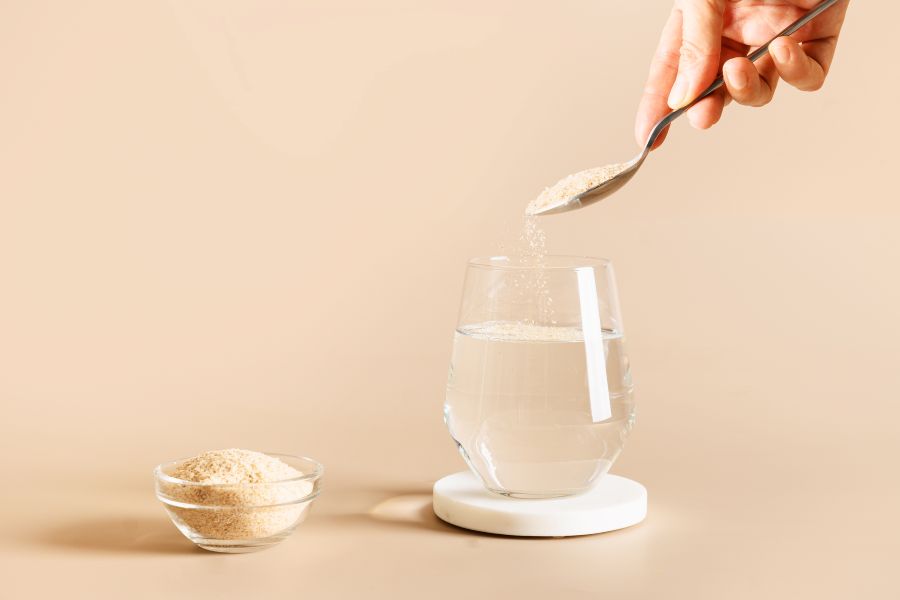
- 1 teaspoon Benefiber
Why these ingredients made the cut:
They deliver protein and fiber, support a healthy gut microbiome and provide nutrients like calcium and potassium that benefit overall health.
- Banana: Bananas are a great source of fiber, and the "good bacteria" in your gut actually feed on it, turning it into compounds that help keep your colon lining healthy. They also bring natural sweetness and a nice dose of potassium.
- Mixed berries: Berries are loaded with antioxidants that help calm inflammation and support a healthier gut microbiome. There's also encouraging research on berries and brain health. Some studies suggest they may help slow age-related memory decline.
- Greek yogurt: Beyond its protein and calcium, yogurt contains live cultures that act as probiotics. It's actually one of the few foods with solid research behind it showing an association with lower colorectal cancer risk, which is part of why I make it a daily habit.
- Rolled oats: Oats are rich in a soluble fiber called beta-glucan, which helps lower cholesterol and steady blood sugar. Of all the types of fiber out there, the kind found in whole grains like oats has the strongest evidence for supporting colon health, and it may also help prevent flare-ups of diverticulitis.
- Almond milk: A light, dairy-free base that's low in calories and naturally cholesterol-free.
- Benefiber: This is my "insurance policy" fiber. It's a gentle, dissolvable fiber that feeds beneficial gut bacteria, helping them produce compounds that support a healthy colon lining.
What's a common misconception you find yourself correcting most often?
That rectal bleeding is "just hemorrhoids."
Hemorrhoids really are an extremely common cause of bleeding, but bleeding blamed on hemorrhoids is also one of the most common ways a cancer diagnosis can be missed. You can have hemorrhoids and a more serious problem at the same time.
A few signs bleeding deserves a closer look: blood mixed into the stool (not just on the paper), a change in overall bowel habits, abdominal pain, weight loss, fatigue or bleeding that doesn't clear up after treating hemorrhoids. Any of these signs, or bleeding in someone due for screening, warrants an evaluation.
The takeaway isn't to panic over every episode. It's to let a clinician decide whether it's hemorrhoids or something more ominous.
While we are on the subject, what actually counts as constipation, and why does it matter?
Doctors generally define constipation as fewer than three bowel movements a week, or stools that are hard or difficult to pass. This problem is incredibly common, affecting 15% of people worldwide. It becomes more common with age and is seen more often in people with low fiber intake and limited activity. Left unmanaged, constipation can lead to bleeding, painful hemorrhoids and anal fissures.
So what helps?
The first-line fixes are simple and don't need a prescription:
- Fiber and fluids first. Aim for 25–35 grams of fiber a day, with plenty of water and regular activity.
- Soluble fiber: Benefiber, oats, beans and barley are all great options. Build up slowly to avoid bloating and gas, which is the main reason people give up too soon.
- Stool softeners (docusate). If fiber isn't enough, you can try a stool softener. These medicines are very safe and simply allow water to enter the intestinal contents.
A good rule of thumb is to try fiber, fluids and activity first, then add a stool softener if needed. See your doctor if constipation is new, persistent, or comes with bleeding, weight loss or lasting changes in your bowel pattern.
FIND HEALTH SCREENINGS AT NORTHSIDE.