
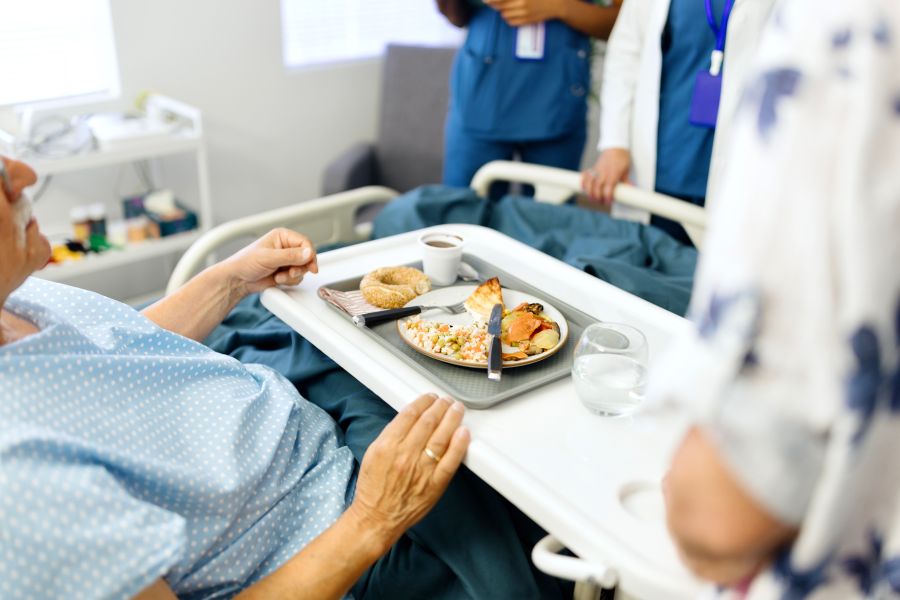
Whether you're recovering from surgery, healing from an injury or simply trying to bounce back after an illness, what you eat can play an important role in how well your body recovers.
When your body is healing, it's working overtime, said Lindsey Mikolaicik, RDN, LD, an outpatient dietitian at Northside Hospital Atlanta.
"You need more energy — more calories and nutrients — for healing wounds or just recovering from an illness because your body's burning a lot more energy just to heal," she said.
Building meals with the right balance of nutrients can help support tissue repair, maintain muscle, reduce inflammation and provide the energy your body needs during recovery.
Prioritize protein
Protein is one of the most important nutrients for healing. Your body uses it to repair damaged tissue, rebuild muscle and support recovery after surgery or illness.
During recovery, appetite may be lower or diets may be restricted, which could make it difficult to eat enough protein.
Some good protein sources include:
- Chicken, turkey and lean beef
- Fish
- Eggs
- Greek yogurt
- Cottage cheese
- Beans and lentils
- Tofu
- Nuts and seeds
Don't skip carbohydrates
Carbohydrates are also essential to healing. They provide the energy your body needs to heal. Without enough calories, your body may begin breaking down muscle for energy instead of using nutrients to repair tissue.
Choose nutrient-rich carbohydrates such as:
- Whole grains
- Fruit
- Sweet potatoes
- Brown rice
- Oatmeal
- Beans
Stay hydrated
Proper hydration helps transport nutrients throughout the body and supports nearly every stage of the healing process.
Water should be your primary beverage, but fluids from soups, milk and other beverages also contribute to hydration.
If illness has reduced your appetite or if you're on a post-surgery restricted diet, broth-based soups or bone broth may be easier to tolerate while providing fluids. Bone broth also contains more protein than traditional broth, making it a good option during recovery.
Vitamins and minerals matter
Your body relies on many vitamins and minerals for healing. Some of the most important include:
- Vitamin C aids in collagen production, preventing infections, strengthening new blood vessels and helps reduce inflamation. Good sources include citrus fruits, strawberries, broccoli and bell peppers.
- Vitamin A supports immune function and healthy skin. You'll find it in carrots, sweet potatoes, spinach and other colorful vegetables.
- Zinc plays an important role in wound healing and immune health. Foods rich in zinc include seafood, beef, beans and nuts.
- Iron helps carry oxygen throughout the body, supporting healing tissues. Lean meats, beans and leafy greens are good sources.
- Omega-3 fatty acids aid in reducing inflammation, improving blood flow and promoting cell repair. They are found in fatty fish, walnuts and flaxseed.
Rather than focusing on one "superfood," eating a variety of fruits, vegetables, whole grains and lean proteins helps provide the nutrients your body needs.
What if you don't feel like eating?
It's common to lose your appetite when you're sick or recovering from surgery.
Instead of skipping meals, try eating smaller portions more often throughout the day. Choose foods that are easier to ingest but still pack plenty of nutrition into smaller servings, such as Greek yogurt, smoothies, eggs, nut butter or protein-rich soups.
Eating regularly can help ensure you're getting enough calories and protein to support healing.
Some patients may need specialized nutrition support
For people recovering from major surgery or healing difficult wounds, a physician or registered dietitian may recommend specialized nutrition supplements that contain additional nutrients shown to support wound healing.
While every recovery is different, one principle remains the same: giving your body the nutrients it needs can help support the healing process and get you back to feeling your best.
LEARN MORE ABOUT NORTHSIDE HOSPITAL NUTRITION SERVICES.

