Close

No Tobacco Is Safe

It’s not just cigarettes: ALL smoking and tobacco products contain nicotine!

Nicotine:

  • Is as addictive as cocaine and heroin.
  • Is absorbed through the lining of your mouth.
  • Raises your heart rate and blood pressure.
  • Causes cancer, heart disease, stroke, gum disease, and respiratory and mouth infections.

When Tobacco Is Burned & Inhaled:

  • The smoke contains 7,000 types of chemicals. 
  • Tar forms a sticky layer on the inside of your lungs. 
  • Hundreds of the chemicals in tar are toxic. 
  • Over 70 of the chemicals in tar can cause cancer. 

How Harmful Are the Different Types of Tobacco Products?

Vaping:

  • There are no clinical studies on the long-term use, but there is evidence that it be just as harmful as cigarettes.
  • The product still needs approval of the FDA as a smoking cessation device, in fact  it has been refused many times by the FDA for lack of scientific evidence.
  • Vaping may worsen a user’s nicotine habit, since it contains nicotine.
  • Ingredients in an e-cigarette/vape have been known to cause gastrointestinal irritation and even brain damage.
  • Users report cotton mouth, scratchy throat and coughing.
  • Vaping raises heart rate and blood pressure.
  • Nanoparticles from the vapor might be embedded in the lungs causing inflammation and raising infection risk.
  • E-liquid contains aerosol, which is not just water vapor. It can contain nicotine, carcinogens and traces of metal and other chemicals.

(Sources: Termlifeinsurance.org, yahoo!Health, California Smokers Helpline)

Vaping image

Hookah (Water Pipe):

  • The smoke of one water pipe produces as much carbon monoxide pollution as 17 to 52 cigarettes and as much tar as 27 to 102 cigarettes.
  • Hookahs are every bit as addictive as cigarette smoking
  • Tobacco liquids from hookahs irritate the mouth and increase the risk of developing cancers.
  • 1 hour-long hookah smoking session = approximately 200 puffs, while smoking an average cigarette = 20 puffs.
  • Infections may be passed to other smokers by sharing the mouthpiece, i.e. Oral Herpes, Tuberculosis, etc.
  • The charcoal used to heat tobacco products contain high levels of carbon monoxide, toxic metals, and carcinogens.
  • Users may be at risk for health problems, like lung cancer, reduced lung function and decreased fertility.

(Sources: French National Laboratory, Clevelandclinic.org, CDC, Rutgers.edu)

hookah image

Smokeless Tobacco (Dip/Chew):

  • Contains 28 cancer-causing agents.
  • Causes cancer of the mouth, esophagus (the passage that connects the throat to the stomach), and pancreas (a gland that helps with digestion and maintaining proper blood sugar levels.
  • May increase the risk of death from heart disease and stroke.
  • Nearly 3 out of 4 daily chewers have leukoplakia, which is white patches in the mouth that can turn into cancer.
  • Can cause your gums to pull away from the teeth, and the gum does not grow back from this.
  • Over time the sugar in spit and chewing tobacco cause decay in exposed tooth roots.
  • Contains a lot of sugar that can weaken teeth and increase the risk of cavities.
  • Contains cadmium (used in car batteries), cyanide (Poison), arsenic (Poison), and lead.

(Sources: American Cancer Society, CDC)

Smokeless tobacco photo

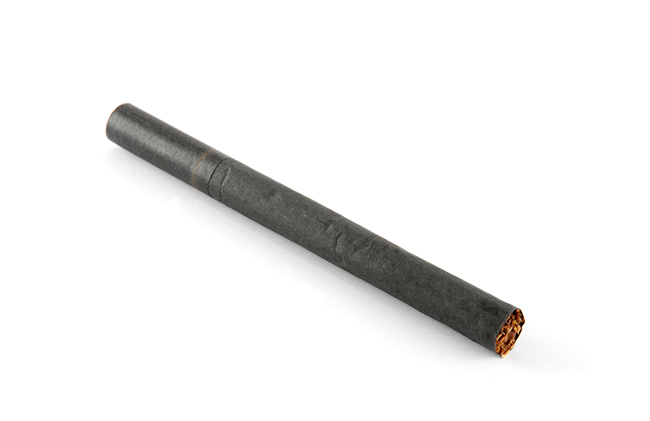
Cigars/Cigarillos:

  • Cigars have a higher level of cancer-causing agents, more tar, and higher levels of toxins than cigarettes.
  • Smokers often use little cigars and cigarillos like regular cigarettes taking deep drags. This can make the health risks of cigar smoking worse.
  • Cigar smoke dissolves in saliva. When the saliva is swallowed the esophagus is exposed to carcinogens.
  • Cigar smoking is also linked to gum disease and tooth loss.
  • Smoking one cigar can have as much nicotine as smoking a pack of cigarettes.

(Source: California Smokers Helpline)

Cigars photo

Cigarettes:

  • Cigarette smoking causes more than 480,000 deaths each year in the United States. This is nearly one in five deaths.
  • More than 10 times as many U.S. citizens have died prematurely from cigarette smoking than have died in all the wars fought by the United States.
  • Smoking causes about 90% (or 9 out of 10) of all lung cancer deaths.
  • Cigarette smoking increases the risk of death from all causes in men and women.
  • Smoking affects the health of your teeth and gums and can cause tooth loss.
  • Smoking can increase your risk for cataracts (clouding of the eye’s lens that makes it hard for you to see).
  • Smoking is a cause of rheumatoid arthritis.
  • Causes 1300 deaths every day.
  • Contains nicotine and tar.

(Source: CDC)

Cigarettes photo

Imported Cigarettes:

  • Smoke from an imported cigarette contains three to five times the amount of nicotine as a regular cigarette and places users at risk for nicotine addiction.
  • Increases the risk for oral cancer, lung cancer, stomach cancer, and esophageal cancer
  • Is associated with a more than threefold increased risk for coronary heart disease and acute myocardial infarction (heart attack).
  • Is associated with emphysema and a nearly fourfold increased risk for chronic bronchitis.
  • Is associated with an increased risk for acute lung injury (i.e., lung damage that can include a range of characteristics, such as decreased oxygen, fluid in the lungs, leakage from capillaries, and inflammation), especially among susceptible individuals with asthma or respiratory infections.
  • Imported cigarette smokers have 13 to 20 times the risk for abnormal lung function (e.g., airflow obstruction or reduced oxygen absorption) compared with nonsmokers.

(Source: CDC)

imported tobacco photo

Cookies and Similar Technologies

This website uses cookies, pixels, beacons, APIs, and other similar technologies ("Cookies"), including those provided by our vendors, for various purposes such as providing services requested by you, supporting website functionality, conducting analytics, combating fraud, and facilitating marketing. Cookies process data, such as your IP address, to function. For more information, please review our Website Privacy Policy. Any access or other use of this website is subject to our Terms of Use.